Too Fat Lardies’ Sharp Practice v2 is so famous among historical gamers, you’d be tempted to no longer call it an indie. But this is my podcast, and it’s an excuse for me to have bants with the lads and try games I thought were interesting. I’ve declared all historicals (save for Flames of War/Team Yankee) to be indies, so here’s the Sharp Practice review.
Listen to the Fortified Niche episode.
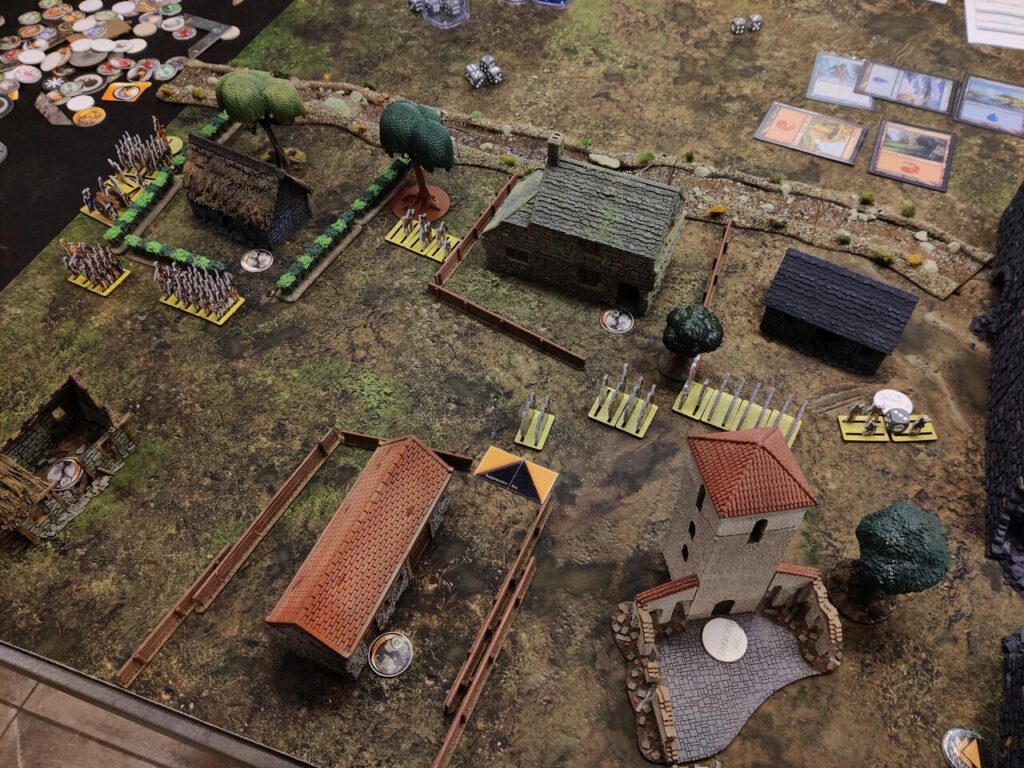
Bernard Cornwell once wrote the Sharpe novel series, which became the basis for the Sharpe TV series, and the rest is Sean Bean history. Sharp Practice draws heavily on that literary tradition, but instead of being a role playing game, it is a solid black powder-era skirmish with some RP elements sprinkled on top. No kickass electric guitar opening, however.
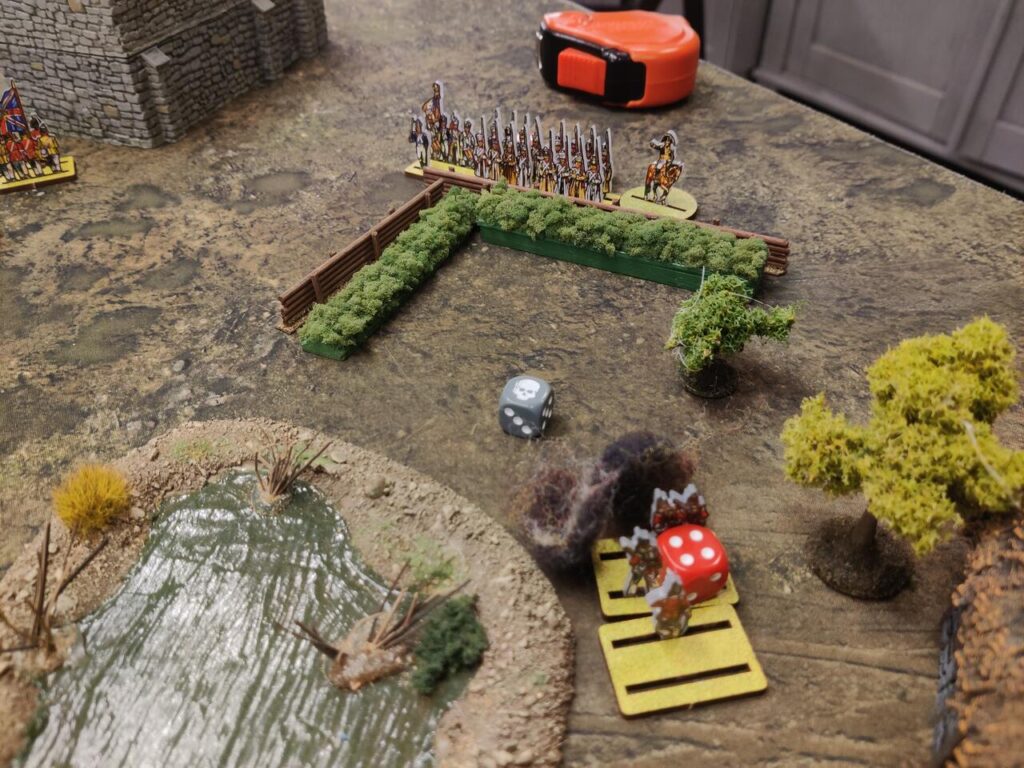
Like any Lardie title, Sharp Practice is heavy on activation weirdness. In this title, every leader is assigned a card, which are then mixed into a common deck together with four command cards per player, and a tiffin card. A leader is activated when their card is drawn, at which point they can spend initiatives (action points) activating and/or managing troops under their command. A troop can be activated once a turn to do two actions like moving, shooting, reloading, presenting, etc..
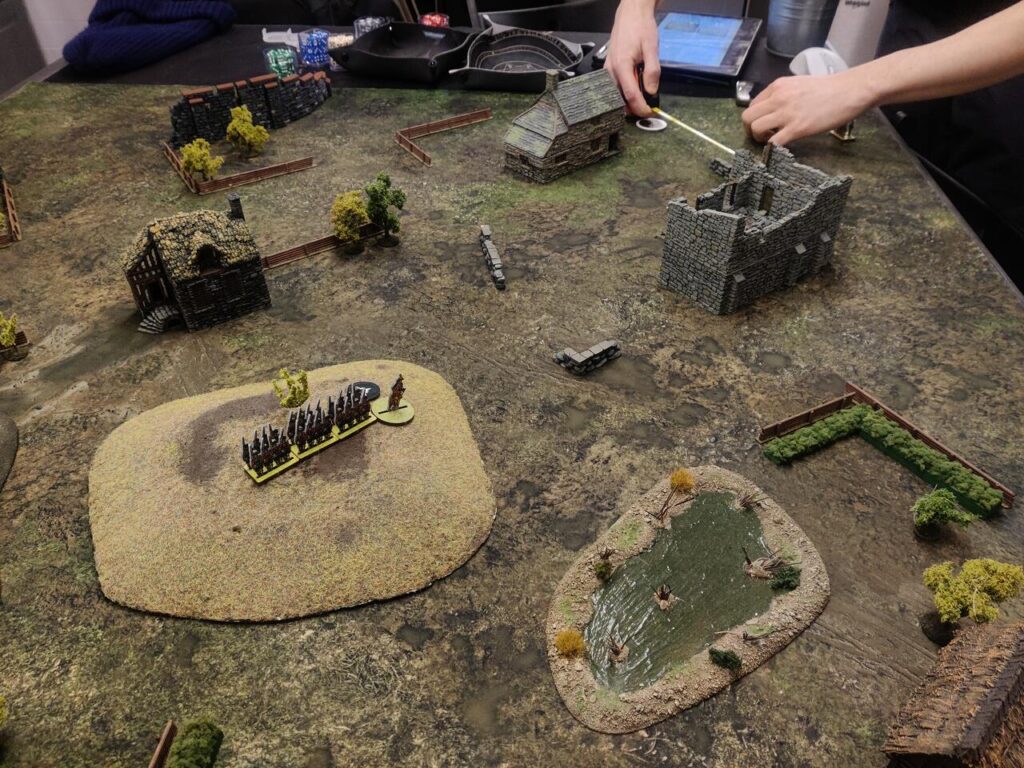
However, the turn ends when a tiffin card is drawn, so you’re not guaranteed leader activations. Meanwhile, a command card is closer to Chain of Command point (or Warhammer Command Point) and you need several to activate a unit (which is not the same as leader activation). And rallying doesn’t count as an activation. Also, if tiffin is the first card drawn, the chapter e-
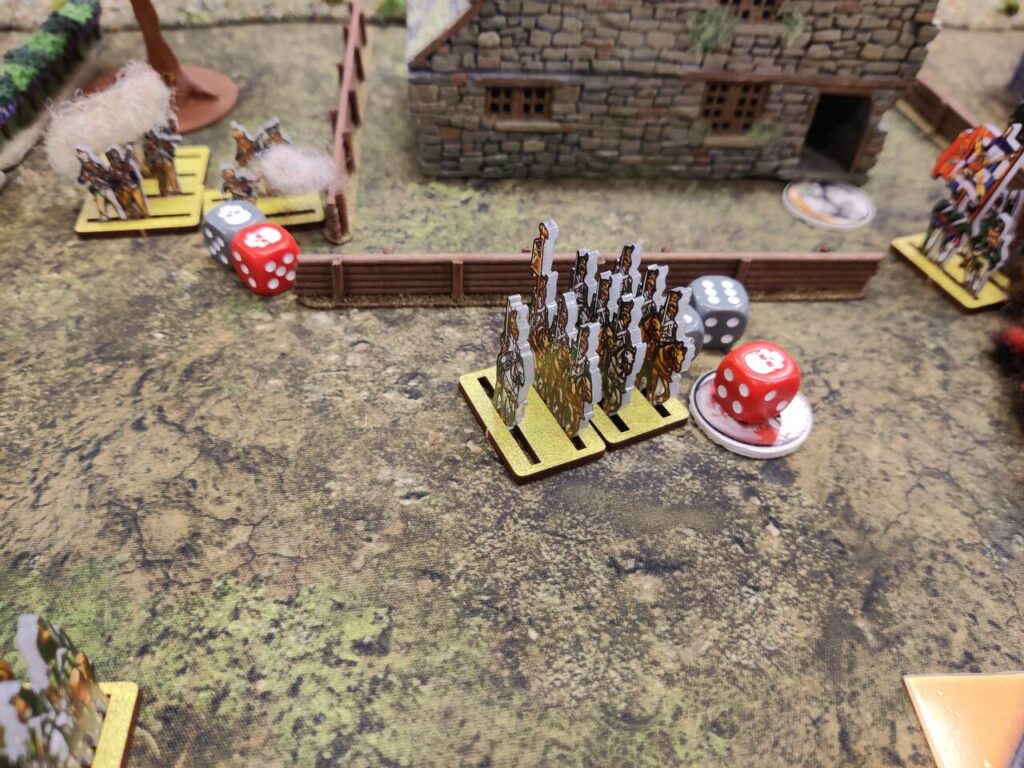
Suffice to say, the activation system is where the magic happens. After all, TFL are big believers in command and control being the hard/interesting part of war – shooting guys is relatively easy. Well, maybe not literally in Sharp Practice: stack modifiers as much as you want, you’ll only kill on a d6 roll of 6. However, shock is much easier to pile on, and shock can make a unit useless even if its unharmed.
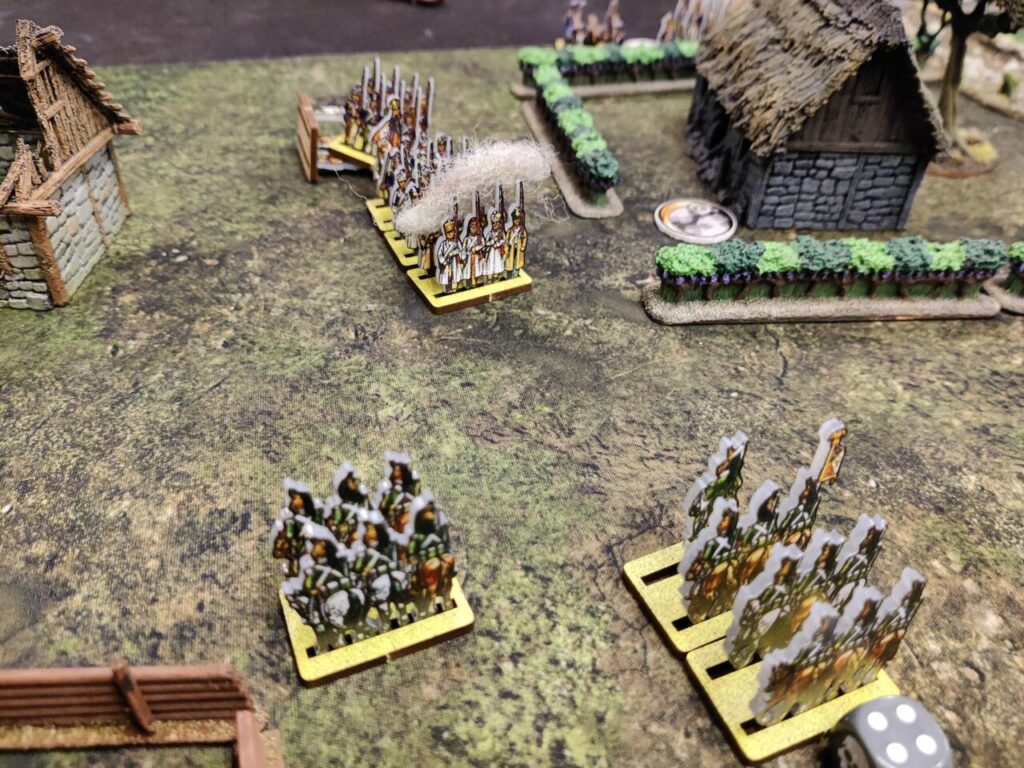
Now, one of the most amazing revelations to come from Sharp Practice is how units are defined by their ability rather than equipment. For those of us who come from bad game milieu, the value of a unit is often in its accuracy, armor, and five annoying guns. In Sharp Practice, all muskets are created equal, accuracy is a myth, and armor is an atavism. A good unit is a unit that can maintain formation better, is easier to control and that, if necessary, perform special maneuvers in a more efficient manner. I wish more games had that!
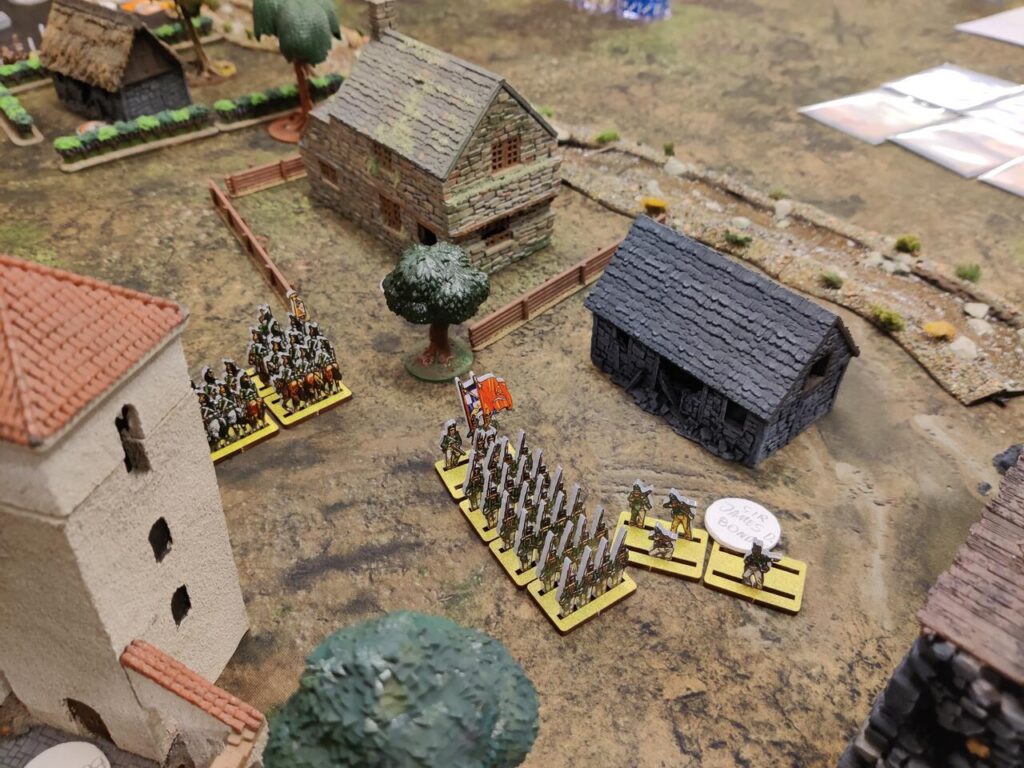
A couple more games, if genre appropriate, could also have the light role-play elements of Sharp Practice. Sharpe novels are about larger-than-life characters living their drama in the shadow of drifting clouds of back powder smoke. So there are rules for rolling up characteristics for your leaders, as well as how they’re supposed to act if encountering a lady of breeding, a chance for a bribe, or a surrendering enemy. Just wish the rules in the game where more stringently mechanically defined as well as equipped with more examples for those less well versed in classical literature.
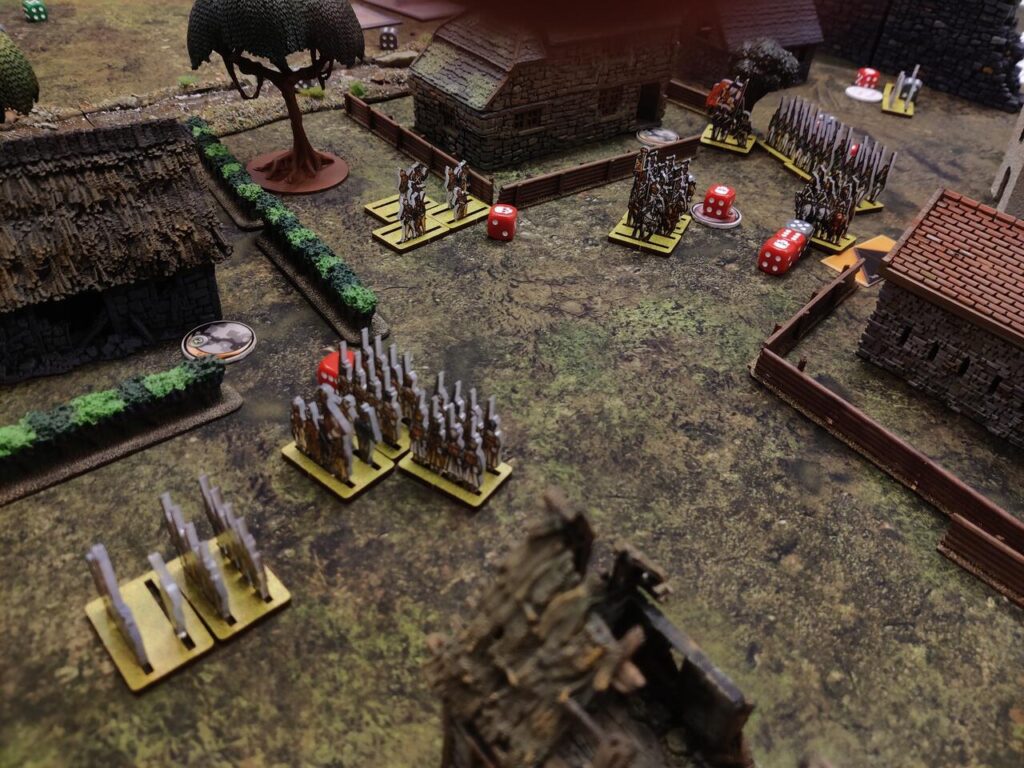
Sharpe Practice v2 kicks ass. If you had to make me choose between it and Muskets & Tomahawks, I’d shoot myself with a black powder pistol. Play both.