
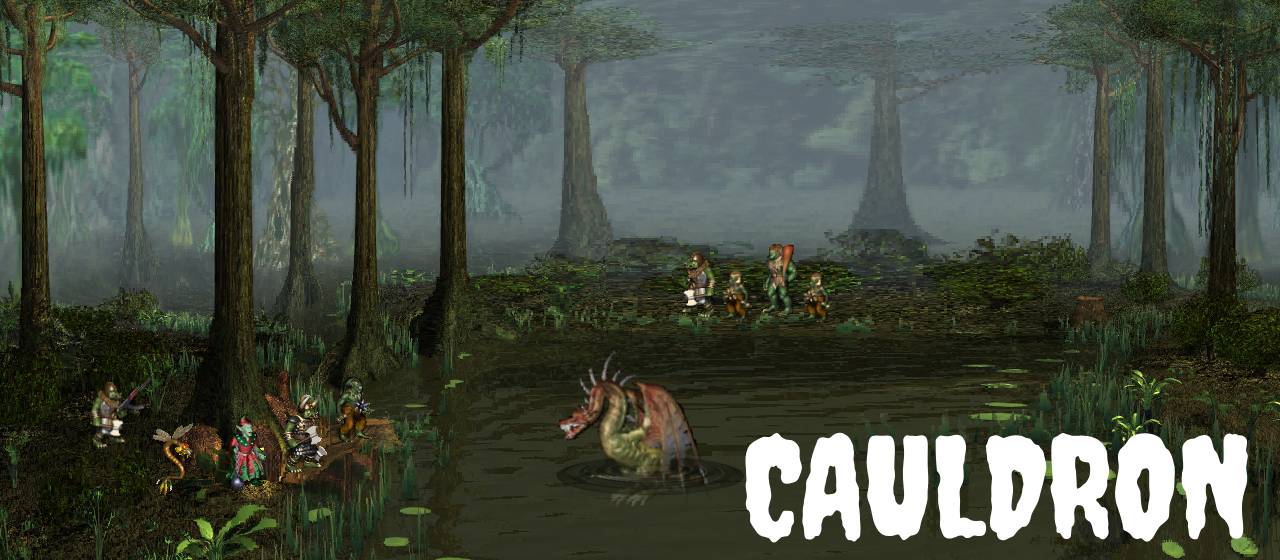
Who lives in the swamps? Snakes, mosquitoes, ogres, maybe even Cajuns. But in a fantasy land far away, lies the Cauldron. And it’s inhabitants are a lot more ornery. You’ll be the one leading them to squalid fights in Cauldron, a “swamp skirmish” game by Hill Giant.
Listen to the Fortified Niche episode.

In Cauldron, you start by building a small band of unfortunate creatures inhabiting the eponymous swamp. The base peoples are orcs, goblins, trolls, and pets, though you are free to reskin them to your liking. Each species has a different inborn ability as well as minor differences in starting statlines. Then you layer on abilities like being Mounted, Stupid, a Wizard, or Flying. Equipment doesn’t really exist: by default, a Cauldronian is equipped with a shitty hand weapon. Any upgrades just increase damage or add ranged capability. It’s a poor life in the swamp.
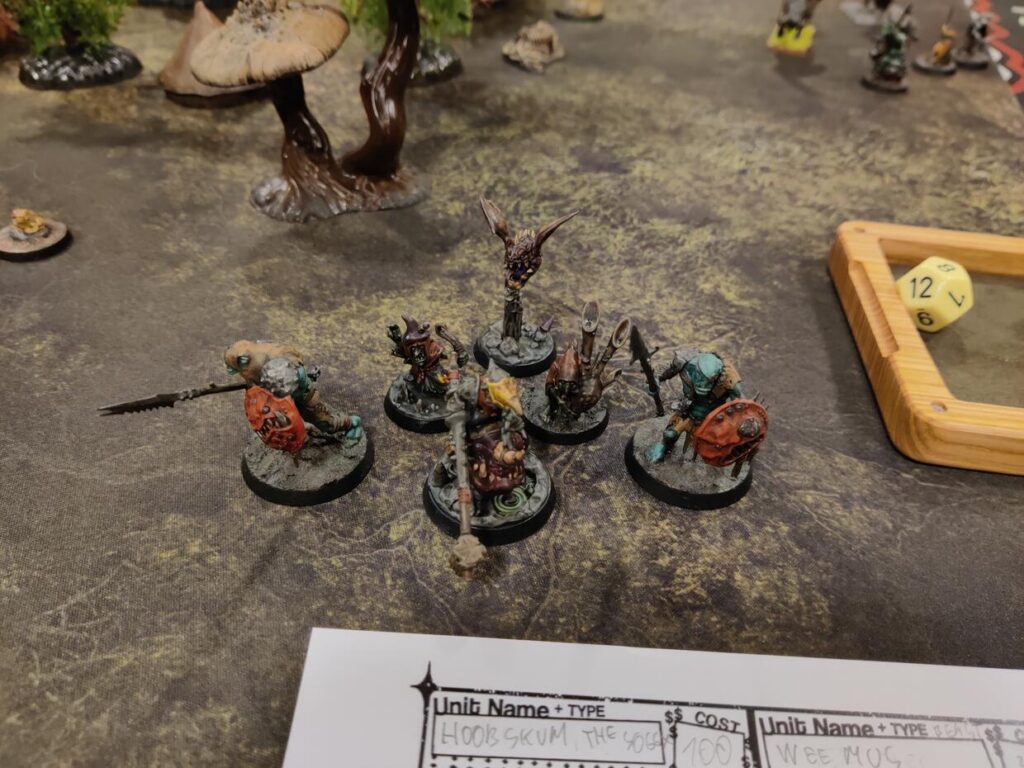
Life in Cauldron is also manifestly unfair, which is why there a small, but not insignificant part of your starting budget that is determined by a dice roll. Another standout feature is that a miniature you spent over 100 gold (or basically 1/3 of your budget) becomes a hero, gaining access to more starting options. You can then roll to see whether your troops have mutations (and what kind). The random cherry on this old school cake is that one of the two spells a wizard would know is picked randomly.
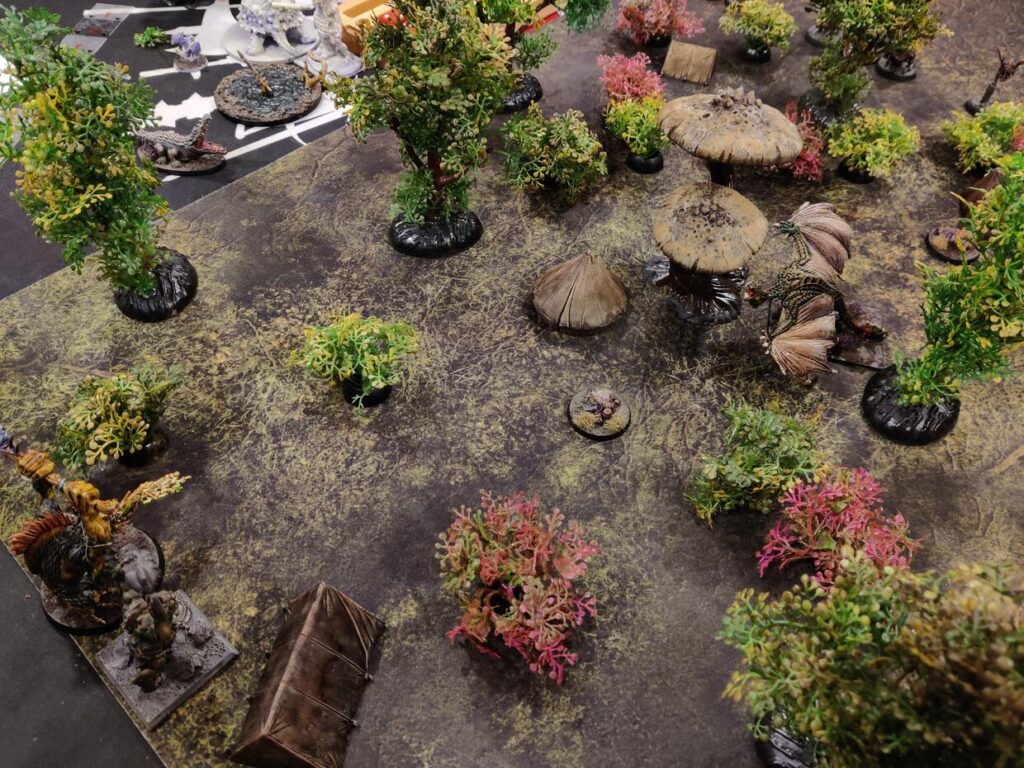
All the aforementioned rolls and the game itself work on D12s. Stats are just modifiers to the roll. Simple! The activation mechanics aren’t exotic either, giving each alternating-ly activating miniature two actions per. The most important action is, of course, foraging. If the unit is at least 6″ from an enemy, you roll your D12 with good odds to finding some sort empowering consumable. This all but ensures that you’ll never have to just waste an action by being in the wrong place.
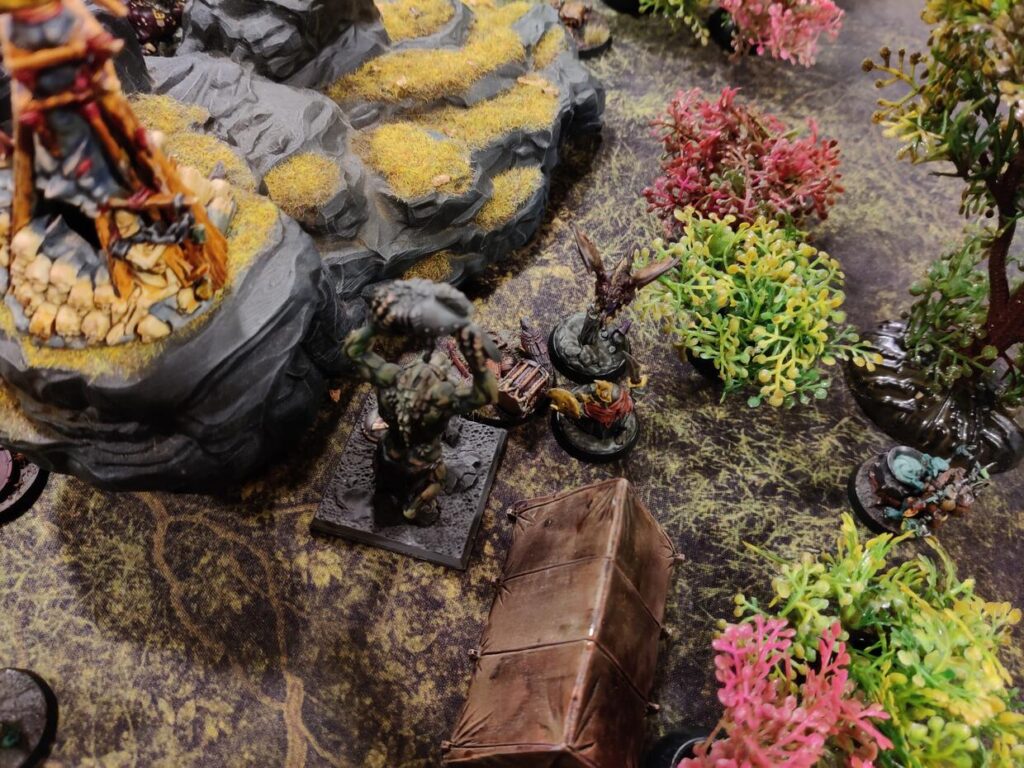
Cauldron doesn’t say whether you can keep the foraged consumables between games. But you wouldn’t be able to sell them either, so it’s not like you can amass a lot of power by just having a soldier foraging in a corner for a whole match. And for the game’s ever-present loot markers, you have to put in work to get them. Merely holding them at the end of the game isn’t enough: you have to bring them off the table to count. And since a single mini can only carry a single token, you’re forced to really weight having more dudes on the table vs. securing the loot NOW.
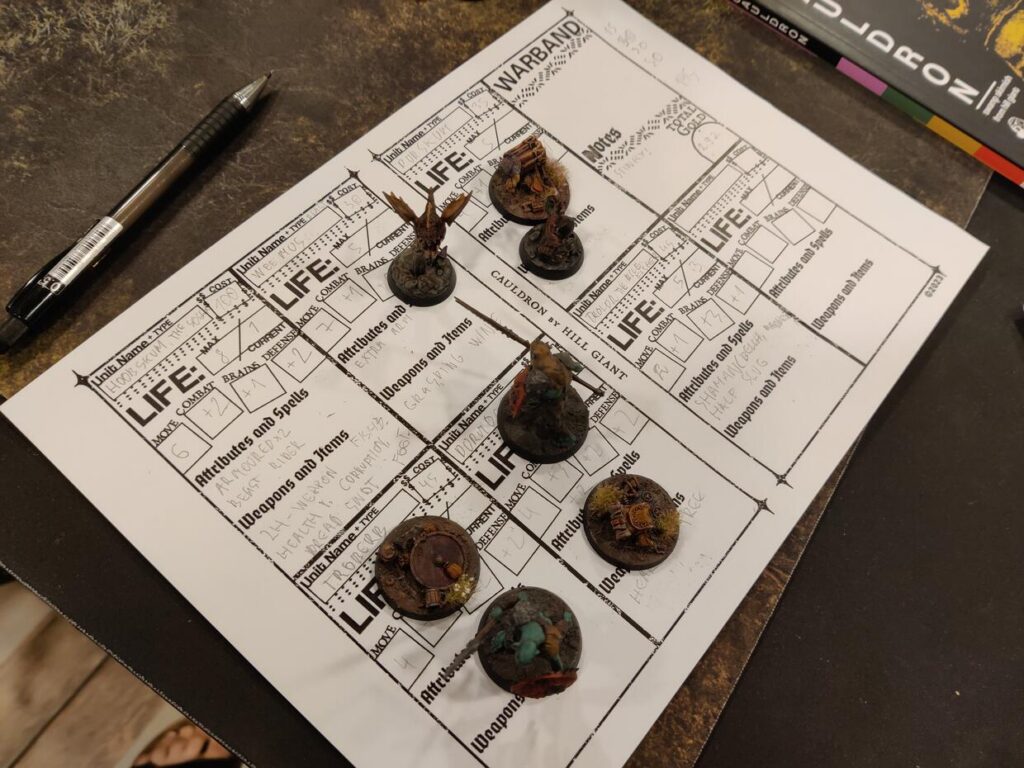
Though Cauldron presents itself as a cheerfully deadly game, it’s not that easy to die in the post-battle sequence. Meanwhile, leveling up is easier than you’d expect for one reason: you gain XP for losing. Even more, actually. For however pathetic the denizens of the swamp are, they’re learning from their mistakes. And, of course, the highest form of leveling up is saving up to get a spell, even without being a wizard, of your choice.
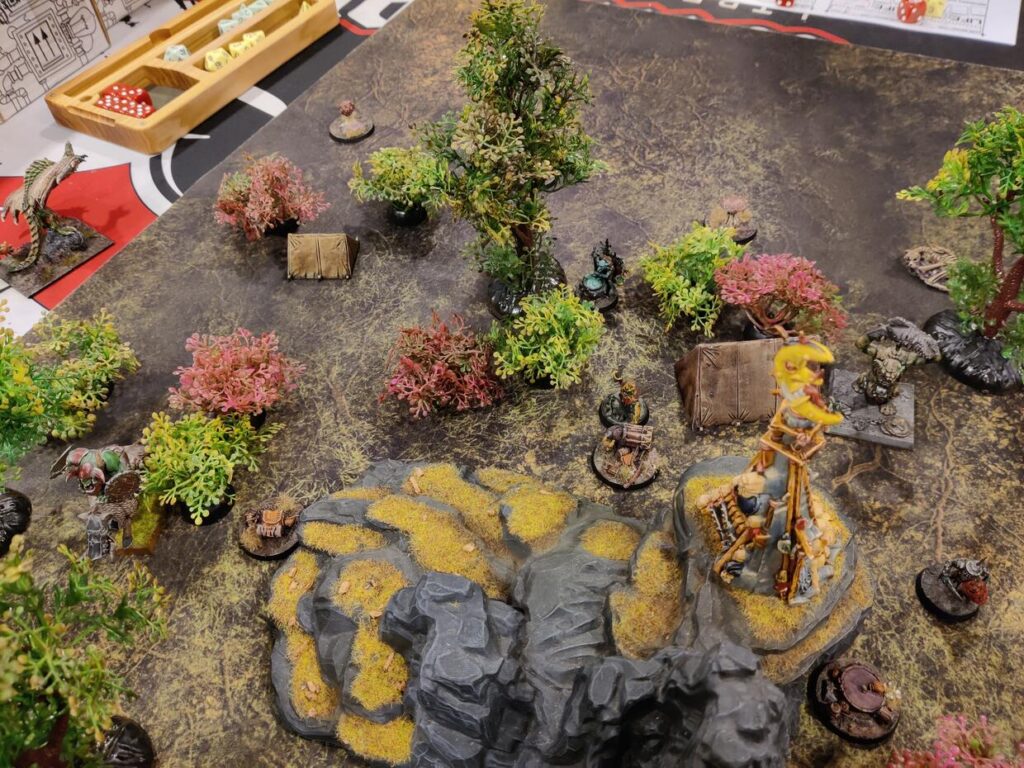
So, are there any downsides to Cauldron? I guess the biggest is something the people I played with consider a strength: ambiguity and permissiveness. As mentioned, the game doesn’t say anything about the ability to keep the goodies gained from foraging from game to game. There are similar situations with regards to scenarios and enemies. The pod guest likes this. I eye doing anything approaching doing game design as a player suspiciously. YMMV.
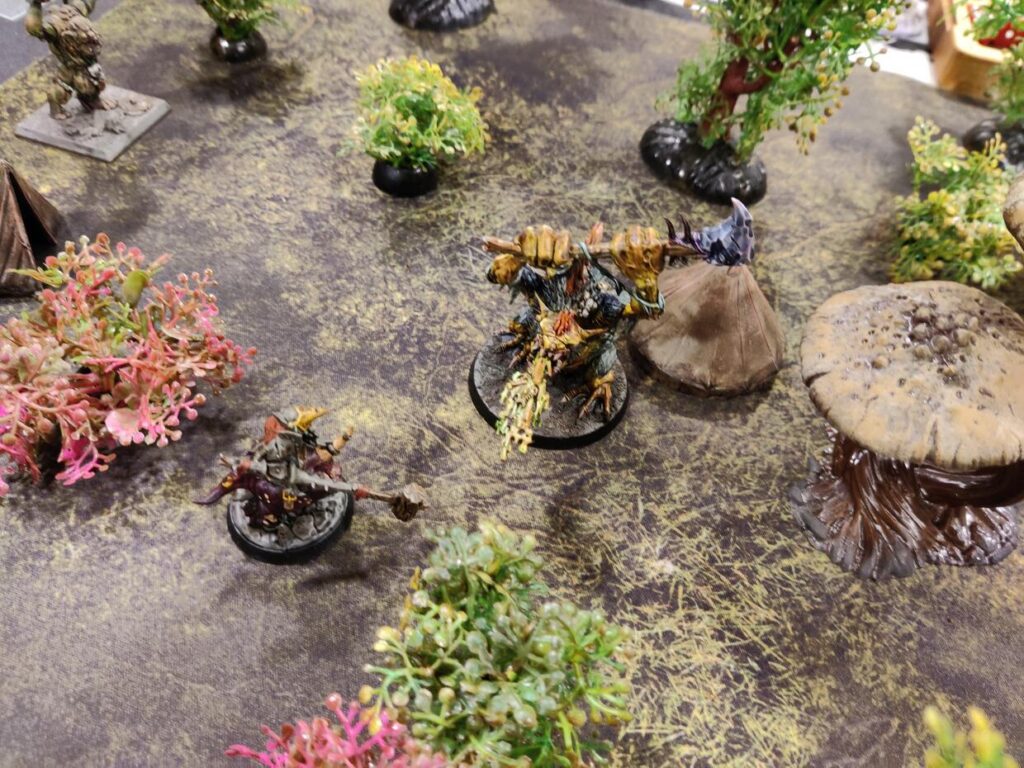
Cauldron is a very neat game with a very cool, Mork Borg-style rulebook. It’s rule-light, but not too light. And it’s an excuse to get a handful of orcs stabbing each other without giving yourself over to Blood Bowl. A winning combination, so it seems.